October 17, 2026
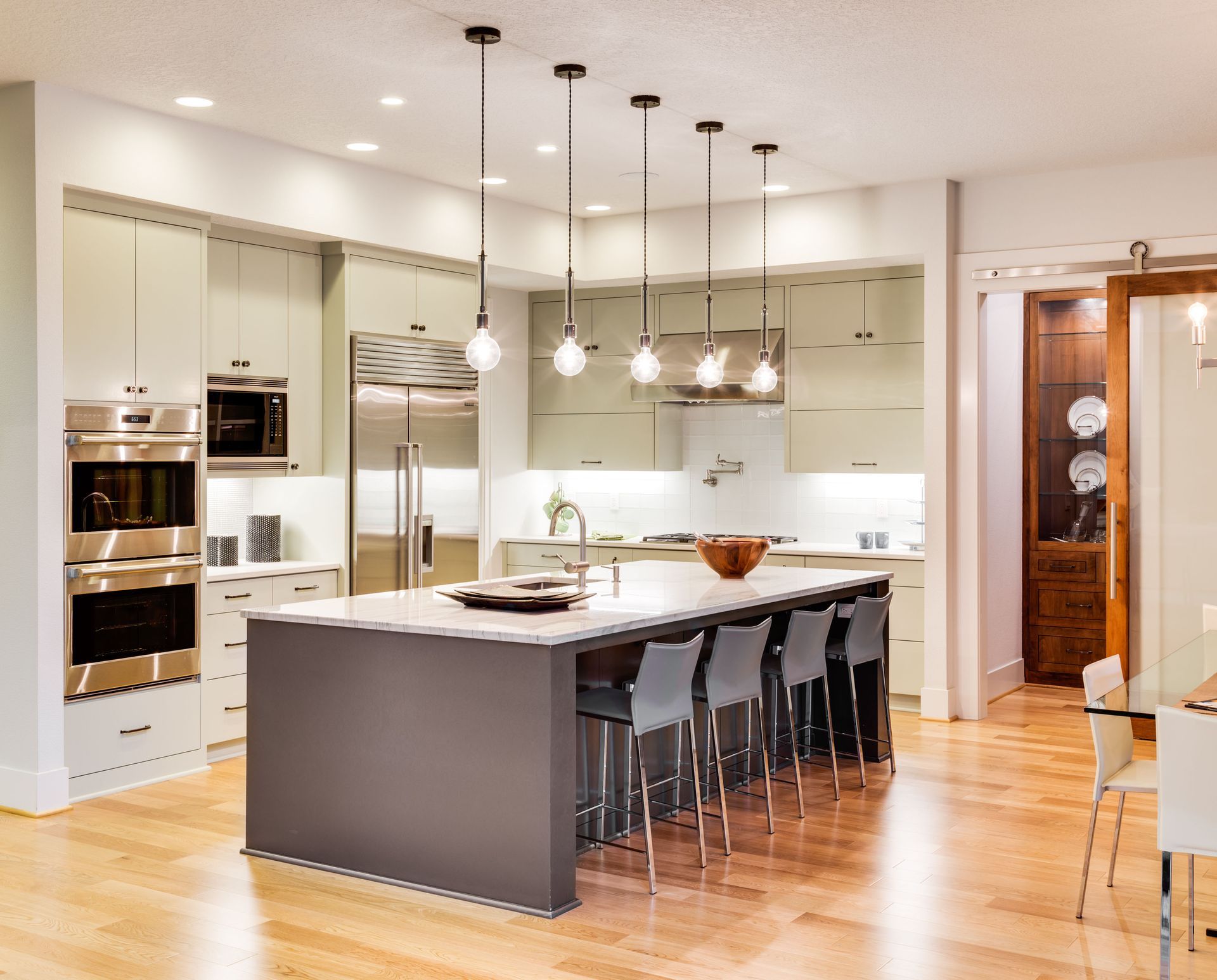
A kitchen renovation is one of the most impactful home improvements a homeowner can take on, but it also requires structured planning to avoid unnecessary setbacks. From layout decisions to material selection, each stage influences both functionality and long-term value. Many homeowners begin a kitchen remodeling project with excitement, only to realize that small oversights can quickly escalate into costly changes. That is why understanding the process early makes a significant difference in outcomes. With the right preparation, the kitchen becomes not just a cooking space, but a central hub designed for efficiency, comfort, and everyday living. Clear expectations from the beginning also reduce stress during construction and help align every decision with the overall vision for the home.
Budgeting and Planning
Effective budgeting is the foundation of any successful kitchen remodeling project. It begins with defining a realistic spending range that accounts for materials, labor, permits, and unexpected adjustments. Many homeowners underestimate how quickly costs can shift once demolition or structural work begins. For that reason, a contingency buffer is essential to maintain financial stability throughout the process. A well-structured budget also helps prioritize what matters most, ensuring essential upgrades are completed before aesthetic enhancements.
A disciplined approach to kitchen remodeling also means tracking spending in real time. This prevents small overages from accumulating into major financial strain. It also helps align expectations with what is realistically achievable within the chosen budget. When handled correctly, budgeting becomes a decision-making tool rather than a restriction. This stage sets the tone for the entire renovation journey and supports more confident planning choices.
Designing Layout and Structuring
The layout stage determines how effectively the kitchen will function once construction is complete. A well-designed space considers movement between cooking, cleaning, and storage zones to reduce inefficiencies. Even minor adjustments in placement can significantly improve usability. This is where thoughtful kitchen remodeling planning plays a critical role in long-term satisfaction.
Homeowners often focus on appearance first, but functionality should guide every design decision. Open layouts, improved traffic flow, and optimized spacing all contribute to a more practical environment. Storage placement also matters, especially in smaller kitchens where every inch counts. When design and structure work together, the kitchen becomes easier to navigate and more enjoyable to use daily.
Selecting Materials and Finishing
Material selection influences durability, maintenance, and visual consistency throughout the kitchen. Countertops, cabinetry, flooring, and fixtures should all be evaluated based on both performance and style. Choosing the right combination ensures the kitchen remodeling investment holds value over time. Practical materials often outperform trend-driven choices in long-term satisfaction.
Finishing details also shape the overall atmosphere of the space. Hardware, textures, and surface treatments create cohesion across different design elements. A balanced approach avoids overcomplication while still allowing personality to come through. When materials are chosen strategically, the result is a kitchen that feels both polished and functional.
Hiring Contractors
Working with qualified professionals is one of the most important decisions in any renovation. Skilled contractors bring technical expertise that reduces risk and improves efficiency throughout the project. They also ensure compliance with building standards, which is especially important in structural modifications. In most kitchen remodeling projects, professional support leads to smoother execution and fewer delays.
According to industry insights from Houzz, 80% of kitchen renovations involve layout or structural changes rather than simple cosmetic upgrades. This pattern highlights the growing need for experienced contractors instead of purely DIY approaches. Structural adjustments require precision, planning, and technical knowledge that goes beyond surface-level updates. Choosing the right professionals ultimately reduces errors and supports higher-quality outcomes.
Clear communication is also essential during this phase. Expectations around timelines, materials, and costs should be established early to prevent misunderstandings. A strong working relationship ensures that design intent is accurately translated into the finished space. This collaboration is often what determines whether a renovation feels seamless or stressful.
Scheduling and Managing
Project scheduling plays a major role in keeping a kitchen renovation on track. A clear timeline helps organize each stage of the process, from demolition to final installation. Without structure, delays can quickly accumulate and disrupt progress. Effective kitchen remodeling depends on maintaining consistent momentum throughout each phase.
Management also includes anticipating potential disruptions. Material delays, weather conditions, or design adjustments can all affect timing. Planning for these variables helps reduce stress when changes occur. Regular updates between homeowners and contractors ensure issues are addressed quickly and efficiently. This level of coordination keeps the project aligned with expectations.
Living arrangements during construction should also be considered in advance. Temporary adjustments in daily routines can reduce inconvenience while work is underway. When scheduling is handled properly, the renovation experience becomes far more manageable and predictable.
Planning Needs
Understanding how the kitchen will be used is essential before any construction begins. Every household has different cooking habits, storage needs, and lifestyle requirements. Identifying these early helps guide design decisions in a practical direction. A successful remodeling plan always starts with clarity about function before form.
Prioritization is equally important during this stage. Essential features such as workspace, appliances, and storage should take precedence over decorative upgrades. This ensures that the kitchen performs well in daily use before focusing on aesthetics. Separating needs from wants also helps prevent budget overruns and design fatigue.
Flexibility should be built into the planning process as well. Household needs can change over time, so adaptable design choices provide long-term value. A kitchen designed with future use in mind remains functional and relevant for years after completion.
Remodeling
The actual transformation phase brings all planning decisions into reality. This is where design, materials, and labor come together to reshape the space. While this stage is often the most visually exciting, it also requires careful oversight. Any remodeling project depends on precision during execution to ensure quality results.
Attention to detail becomes especially important during installation. Even small inconsistencies can affect both appearance and functionality. Regular inspections help ensure that work aligns with the original design plan. Adjustments may be necessary, but they should always support the overall vision rather than compromise it.
Improvement during this phase is not just physical but experiential. A well-executed renovation enhances workflow, comfort, and usability. When all elements come together properly, the kitchen becomes a more efficient and enjoyable space for daily living. Many homeowners also notice that storage efficiency improves significantly once the final structure is in place, reducing clutter and simplifying daily routines. Lighting upgrades during this stage can also dramatically change how large or small the kitchen feels in practice, improving both safety and ambiance. Ventilation improvements further enhance air quality, making the space more comfortable for long-term daily use. Small finishing corrections at the end of this phase often determine whether the space feels average or truly high-end.
A successful renovation is built on preparation, informed decision-making, and consistent project management. Each stage, from budgeting to final installation, plays a role in shaping the outcome. A well-executed
kitchen remodeling process improves both functionality and long-term home value while reducing avoidable stress. When planning is handled with care and execution is supported by the right professionals, the result is a space that performs as well as it looks. For homeowners ready to take the next step, contact ImproveRite Home Remodeling.